
horror
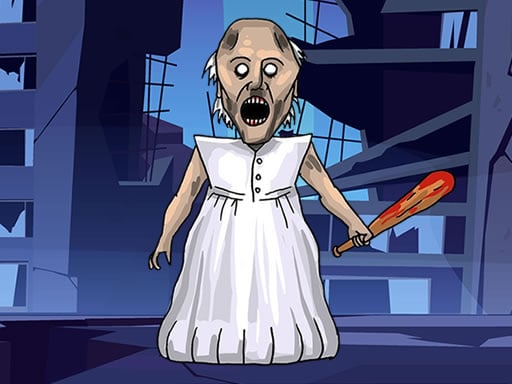
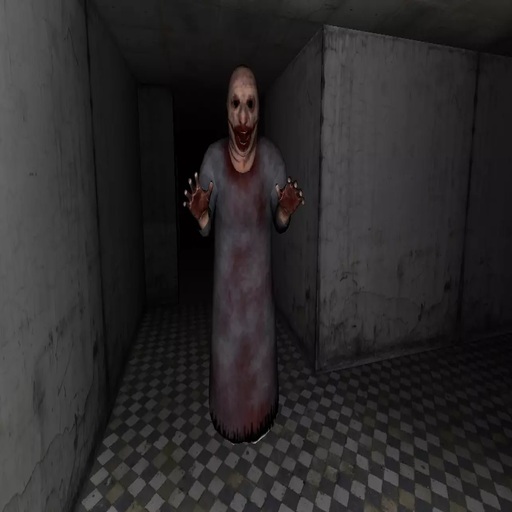
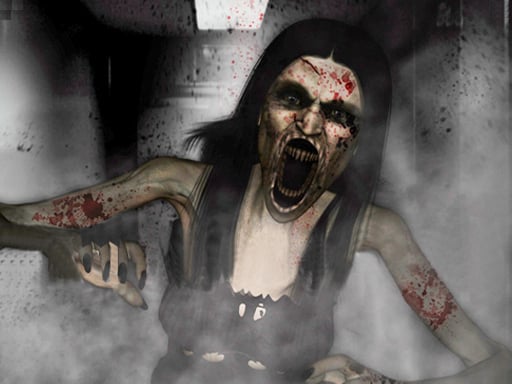
The Psychological Horror Tile Picture Challenge is not your typical casual puzzle game. It is a descent into a fractured mind, where the very act of organizing a memory can trigger a nightmare. Developed as a psychological experiment in tension, the game uses the simplicity of sliding tiles to mask a deep, unsettling narrative that shifts as you solve it.
Below is an in-depth look at this haunting title, designed to give you a clear understanding of the terror that awaits within the frame.
Rating: 4.7/5 (Based on 12,450 player reviews) Times Played: Over 1.2 million sessions worldwide Developer: Nocturne Logic Studios Release Date: October 14, 2025 Platforms: Web Browser (HTML5), PC, and Mobile via specialized horror portals Technology: Developed using the Phaser 3 Engine with custom procedural audio layering
You wake up in a room that feels like a forgotten memory. There is no door, only a flickering monitor displaying a scrambled image. You aren't just solving puzzles; you are reconstructing the suppressed history of an anonymous protagonist.
As you slide the tiles into place, the images reveal more than just pictures—they reveal "The Incident." However, the more cohesive the image becomes, the more the environment around you begins to deteriorate. Soft whispers grow into frantic warnings, and the shadows in the corner of your screen seem to creep closer with every correct move. Is the game a gateway to a lost past, or a trap set by something that doesn't want the truth to be seen? It is okay to be nervous; the game thrives on that exact feeling of unease.
Mastering the challenge requires more than just spatial awareness; it requires nerves of steel. Here is how you navigate the darkness:
1. Don't Blink: Some story clues appear only for a single frame when a tile clicks into its final position. 2. Low Brightness is a Trap: You might be tempted to dim your screen to hide from the horror, but the game uses "hidden" symbols in the dark sections of the tiles that help you solve the puzzle faster. 3. Manage Your Clicks: Every move increases the intensity of the background music. Fewer moves keep the atmosphere calmer.
You can experience the Psychological Horror Tile Picture Challenge on the following platforms:
 Arcade
 Action
 Adventure
 Horror